

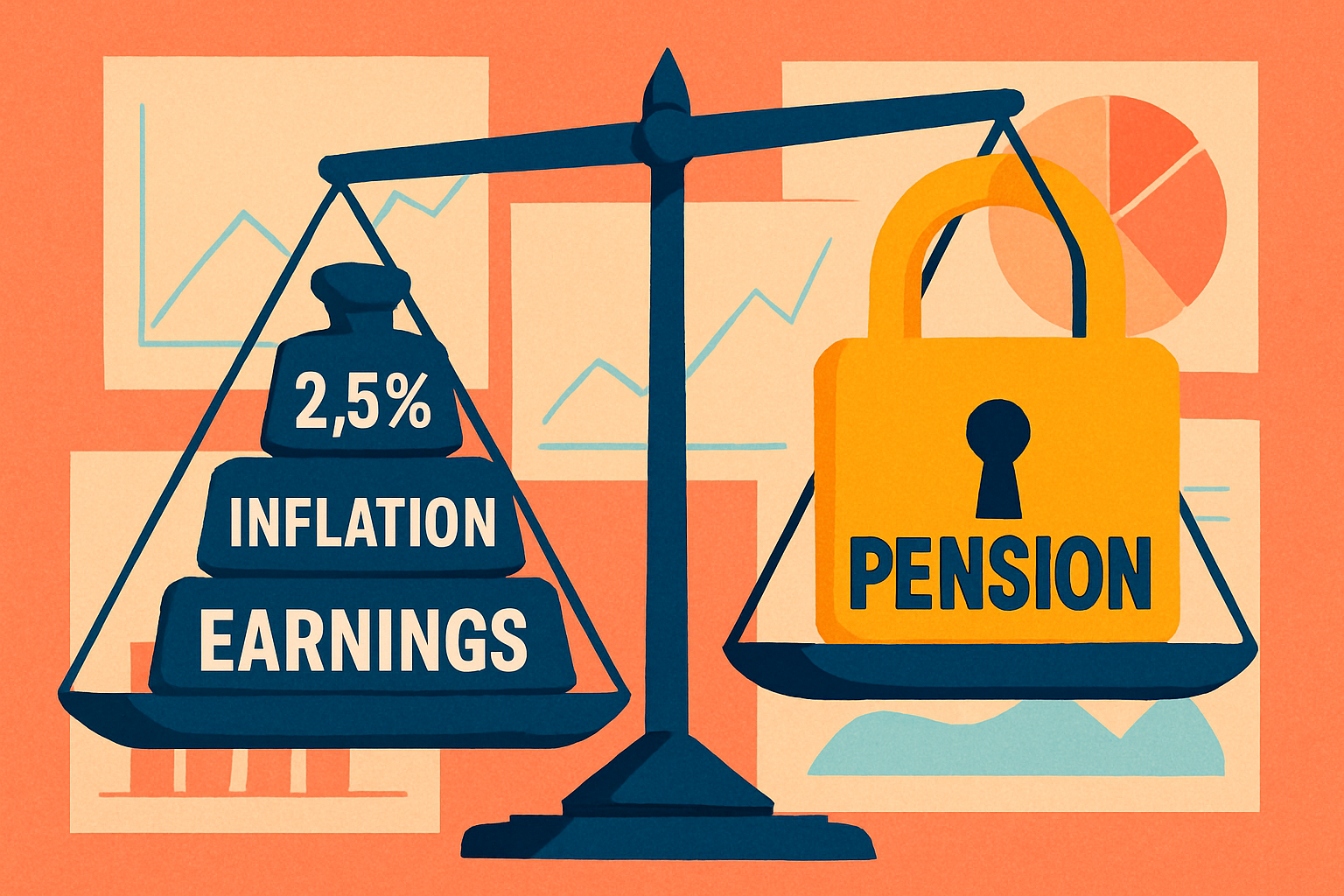
Labour is currently evaluating potential reforms to the state pension triple lock, a mechanism that has long been a cornerstone of the UK’s pension system. This policy guarantees that state pensions increase annually by the highest of three measures: average earnings, inflation, or a fixed rate of 2.5%. However, the sustainability of this approach is now under scrutiny due to the escalating costs associated with recent substantial increases.
The triple lock has been a vital tool in ensuring that pensioners’ incomes keep pace with the cost of living. Yet, the financial burden it places on the government has become a pressing concern, especially in light of recent economic challenges. Labour’s consideration of removing either the 2.5% floor or the inflation adjustment reflects a growing need to balance pensioner support with fiscal responsibility.
This potential policy shift is occurring against a backdrop of significant demographic changes. The UK is facing an ageing population, with the retirement age set to rise to 68 by 2039. Such demographic shifts necessitate a careful reassessment of how pensions are funded and distributed. Labour’s exploration of these changes underscores a commitment to ensuring the long-term viability of the pension system.
For HR professionals and business leaders, these developments could have far-reaching implications. Retirement planning strategies may need to be re-evaluated in light of potential changes to pension growth rates. Organisations might also need to consider how an adjusted pension framework could affect employee expectations and retirement timelines.
Moreover, workforce management strategies could be impacted as employees may choose to extend their careers if pension growth does not meet their retirement needs. This could lead to a more diverse age range within the workforce, presenting both opportunities and challenges for businesses in terms of talent management and succession planning.
Policymakers and HR leaders should remain vigilant as Labour’s proposals evolve. Understanding the potential impacts on retirement planning and workforce dynamics will be crucial for adapting to any changes in the pension landscape. Engaging with these discussions early will enable organisations to better prepare for the future, ensuring they can support their employees effectively while maintaining financial sustainability.
As Labour continues to refine its approach, the dialogue around the triple lock and its alternatives will be pivotal. The outcome of these deliberations will not only shape the future of the UK’s pension system but also influence broader economic and social policies. For those involved in HR and business leadership, staying informed and proactive will be essential in navigating the potential changes ahead.