

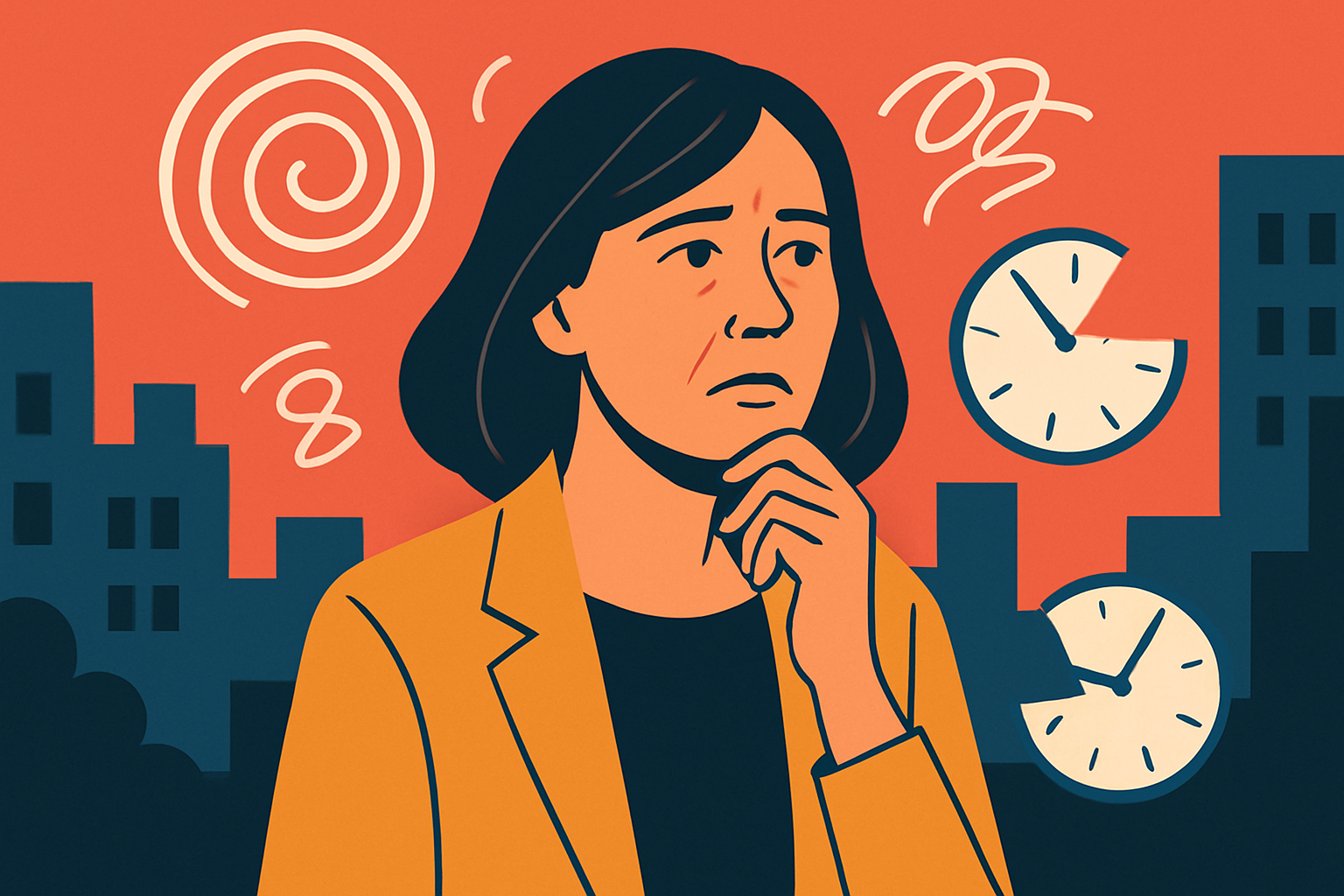
A significant mental health crisis is currently affecting Generation X women in the UK, with a recent survey by the British Association for Counselling and Psychotherapy revealing that two-thirds of these women are grappling with issues such as anxiety and sleep disturbances. This demographic, typically aged between 43 and 58, is encountering a unique set of challenges that contribute to their mental health struggles.
The survey’s findings are particularly concerning given that a staggering nine out of ten women have not sought professional help for their mental health issues. This reluctance to seek support may be attributed to a variety of factors, including stigma, lack of awareness, or simply the overwhelming demands of their daily lives. Gen X women often find themselves at the intersection of multiple stressors, including the physical and emotional upheavals of menopause, the responsibilities of caregiving for both children and ageing parents, and navigating significant career changes or pressures.
Experts point to the cumulative pressures faced by these women as a key factor in the mental health crisis. The transition through menopause, in particular, is often inadequately recognised and addressed within the healthcare system. Many women report feeling dismissed or misunderstood when they seek help for menopause-related distress, which can include symptoms like mood swings, depression, and anxiety. This lack of recognition and support can exacerbate their mental health challenges, leaving them feeling isolated and overwhelmed.
Moreover, the crisis is compounded by the scarcity of affordable mental health resources. Many women find themselves unable to access the help they need due to financial constraints or long waiting lists for public services. This highlights a critical gap in the availability of mental health support, particularly services that are accessible and tailored to the specific experiences of women.
To address this growing crisis, there is a pressing need for more community-based support services that are both affordable and sensitive to the unique challenges faced by Gen X women. Such services should aim to provide holistic support, encompassing both mental health care and practical assistance with the life transitions that contribute to stress and anxiety. By creating a more supportive environment, it is possible to alleviate some of the pressures that are currently overwhelming this generation of women.
In conclusion, the mental health crisis among Gen X women is a multifaceted issue that requires urgent attention from both healthcare providers and policymakers. By recognising the specific challenges faced by this demographic and expanding access to tailored support services, it is possible to improve the mental well-being of these women and help them navigate the complexities of their lives with greater resilience and support.