
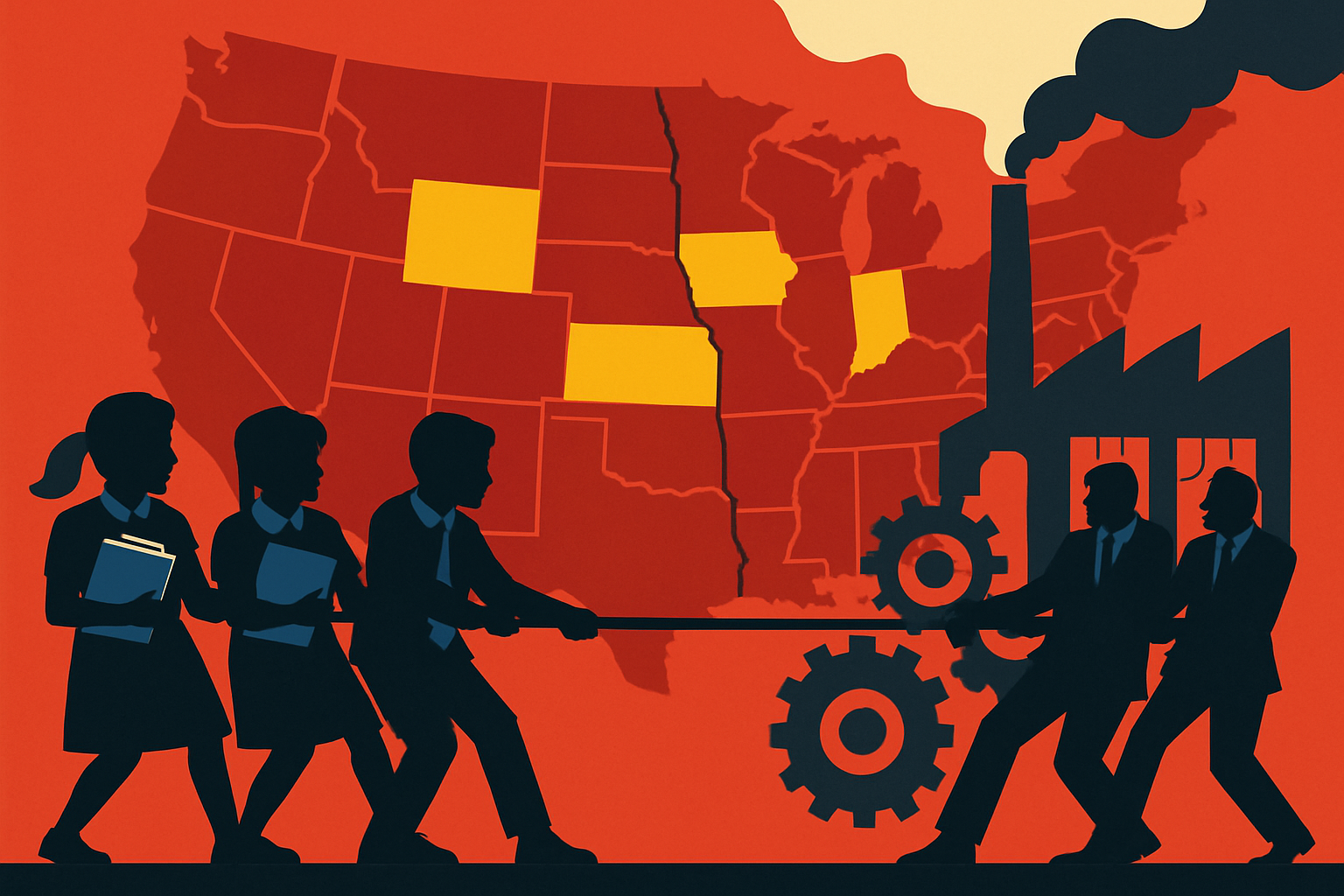
The landscape of child labour regulations in the United States is undergoing significant changes, particularly in states led by Republican lawmakers. Over the past decade, there has been a fivefold increase in child labour violations, yet states such as Nebraska, Indiana, and West Virginia are actively rolling back protections for workers under the age of 18. These legislative shifts aim to weaken both state and federal standards, raising concerns about the potential exposure of minors to hazardous work conditions.
In Nebraska, recent legislative changes have resulted in a reduction of the minimum wage for young workers. This move could have profound implications for the financial independence and economic well-being of minors, as it may incentivise employers to hire younger, less expensive labour at the expense of adult workers. The reduction in minimum wage not only affects the earning potential of young workers but also raises questions about the value placed on their labour and the protections afforded to them in the workplace.
Indiana has taken a different approach by eliminating tracking systems for workers under 18. This decision effectively removes a critical mechanism for monitoring the employment conditions of young workers, making it more challenging to ensure compliance with existing labour laws. Without these tracking systems, it becomes increasingly difficult for authorities to identify and address violations, potentially leading to an environment where exploitative practices can flourish unchecked.
West Virginia has gone a step further by removing restrictions on hazardous occupations for minors. This change significantly increases the risk of young workers being exposed to dangerous work environments, which could have lasting implications for their health and safety. The removal of these restrictions raises serious concerns about the prioritisation of economic interests over the welfare of young individuals in the workforce.
For HR professionals and business leaders in the UK, these developments in the US serve as a critical reminder of the importance of maintaining robust labour standards and compliance requirements. While the legislative changes are currently confined to specific states in the US, they highlight a broader trend that could influence labour practices globally. It is essential for HR departments to remain vigilant and informed about international labour trends, as these can have indirect effects on global supply chains and corporate reputations.
Furthermore, these changes underscore the necessity of advocating for policies that protect young workers and ensure safe and fair working conditions. As businesses navigate the complexities of a globalised economy, maintaining ethical labour practices and upholding high standards of worker protection should remain a top priority. By doing so, organisations can not only safeguard their workforce but also enhance their reputation as responsible and ethical employers in the international market.